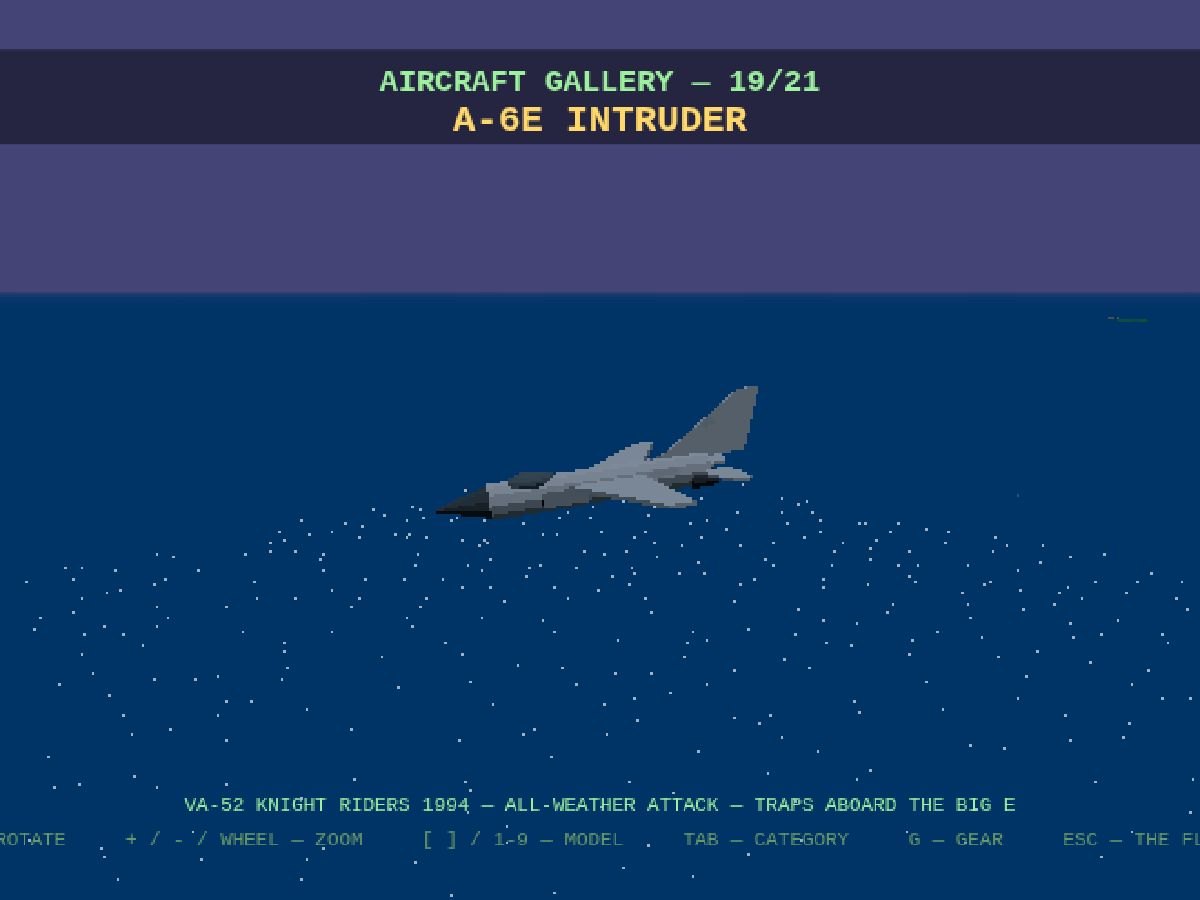
Every night on the Big E, a grey A-6E called KNIGHT 501 taxis to the starboard cat, launches, flies the pattern and traps back aboard. Here is the squadron behind the tail code, and how it lives in the sim.
KNIGHT 501 wears the colours of VA-52, the Knight Riders. The squadron began life as Navy Reserve Fighter Squadron VF-884 on 1 November 1949, was called to active duty in July 1950, and became VA-52 on 23 February 1959. It flew Corsairs, Panthers, Cougars and Skyraiders before taking delivery of its first A-6A Intruders in November 1967.
The record
VA-52’s combat tours include Yankee Team reconnaissance in 1964, Rolling Thunder in 1966, and Linebacker in 1972. On its last WestPac cruise, in 1994, its carrier was pulled off a Persian Gulf station and sent to the Korean Peninsula during the North Korean nuclear crisis. The squadron was disestablished on 31 March 1995.
Hornet Bay is an alternate-history tribute, not a record of who sailed where: in the sim the Knight Riders live aboard the Big E, because that is the deck we built. Nobody at the squadron, the Navy or the manufacturer has anything to do with it.
In the sim
Tail code NL, modex 501, callsign KNIGHT 501 — see the A-6E card for the specs.
She parks on the port row, waits a few seconds, then taxis to Cat 2, the starboard bow catapult. Cat 1 stays yours.
Two laps of the pattern, then a trap on the angle deck between the wires, then back to the spot. Her shipmates, the S-3B and the C-2, run the same cycle on longer timers.
Try this: press J to spectate, cycle until KNIGHT 501 comes up, and ride her off Cat 2. Then take off yourself, and remember: a mission only counts once you are back at the point of origin.
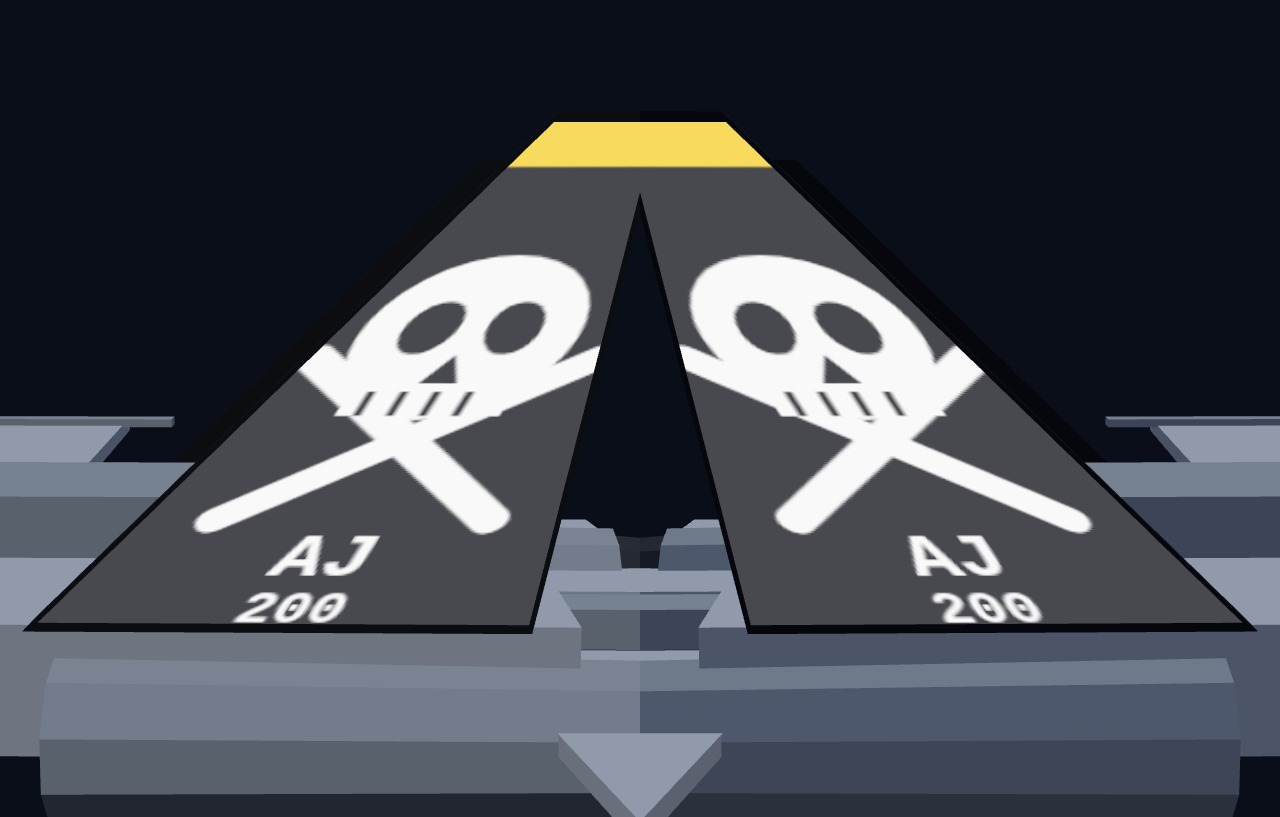
The Tomcat in Hornet Bay isn't wearing just any paint: black tails, a yellow tip, and the skull and crossbones of VF-84, the Jolly Rogers. Here's where that flag came from and how it ends up on the fins.
VF-84 was established at NAS Oceana on 1 July 1955. The skull and crossbones wasn’t originally theirs: it belonged to VF-61, and when VF-61 was deactivated in 1959, a former VF-61 skipper commanding VF-84 asked for the name and the insignia. The request was approved on 1 April 1960. The squadron flew it through the Phantom years and into the Tomcat, and when VF-84 itself was disestablished on 1 October 1995, VF-103 inherited the Jolly Rogers name and markings.
Why the sim’s Tomcat wears it
Hornet Bay is an alternate-history tribute, not a record of who flew what and when. Our F-14 is dressed in a 1978 Jolly Rogers scheme: gull grey over white, black twin fins with yellow tips, and the flag on both outer faces. It is a nod to the squadron’s reputation, nothing more official than that.
The fin art took a few passes. The skull once overhung the swept leading edge; the tail-trim fix cut the flag to the fin’s real outline so the skull stays round and nothing spills over.
In the sim
Skull and crossbones on both tails, with AJ and 200 at the root of each fin.
Yellow band at the tip of each fin.
Four AIM-54 Phoenix in the tunnel, two Sidewinders on the glove pylons.
Unlocked by earning it: the unlock message reads “Welcome to the Jolly Rogers.” See earn the Tomcat.
A printable Tomcat model carries the skull on both tails.
Try this: take the Tomcat off the Big E, sweep the wings back with S, and look back at the tails on the way out. Remember the rule: the mission only counts once you are back at the point of origin.
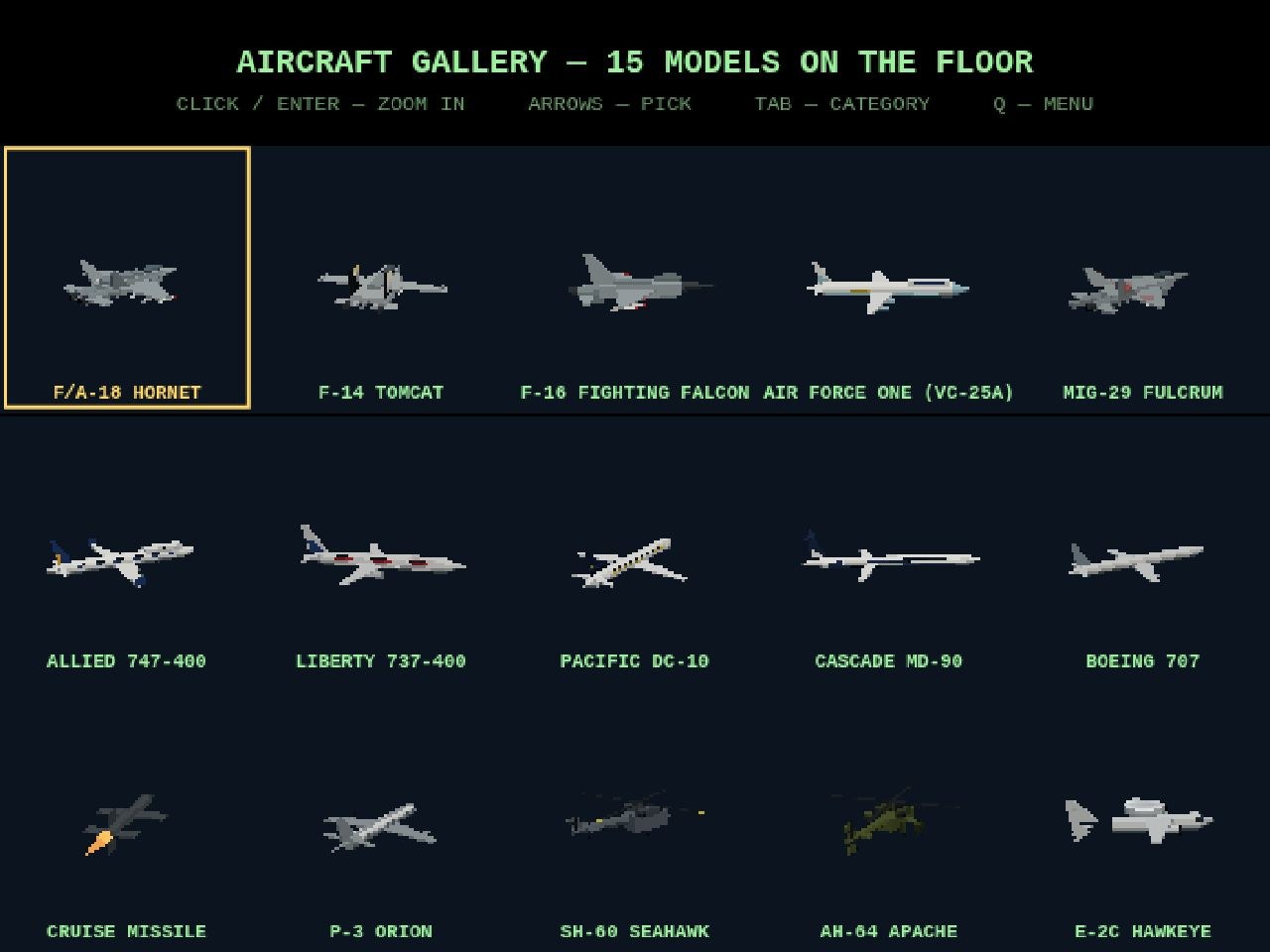
Hornet Bay has a lot of metal in it now. Before we start taking it apart one airframe, one squadron and one hull at a time, here is the whole roster: what flies, what sails, what shoots, and who you meet in the Bay. It also kicks off something new: an article every day for the next 90 days.
YOU FLY
Five flyable jets. The F/A-18 Hornet, F-14 Tomcat, F-16 Falcon, F-15 Eagle and A-10 Thunderbolt II. The Hornet and the Tomcat trap aboard the Big E; the F-16, F-15 and A-10 are land-based and fly without a tailhook.
28 sorties. Eight flight-school sorties, a 19-mission campaign that runs from a visual ID to a nuclear-tipped cruise missile sprint for the city, and free flight over the Bay by day, dusk or night.
THE HOME TEAM
The air wing. USS Enterprise (CVN-65) works a 1994 Pacific air wing around the clock: an A-6E Intruder of VA-52 Knight Riders, an S-3B Viking of VS-37 Sawbucks and a C-2 Greyhound of VRC-30 Providers, with an E-2C Hawkeye of VAW-123 Screwtops watching the Bay from above. See Around the clock.
The escorts. USS Gettysburg (CG-64), USS Nicholson (DD-982), USS Stout (DDG-55) and USS Klakring (FFG-42) hold the picket ring. See The escorts report their names.
The Bay itself. Freighters and tankers on the shipping lanes, a cruise ship, fishing boats and yachts, airliners on approach to SFO, and a P-3 and Seahawks hunting a shadow submarine.
THE OTHER SIDE
The opposition. MiG-29s and Su-27s that actually dogfight, Tu-95 Bear bombers, cruise missiles, a Kilo-class submarine, go-fast boats and gunboats, and shoulder-fired Igla missiles waiting on the freighter decks.
THE ARMOURY
Yours. Sidewinder, Sparrow, Phoenix and AMRAAM, a gatling gun and Mk 83 bombs.
Theirs and the fleet’s. The R-27 and R-73 on the Russian jets, and the SM-1 and Harpoon that Klakring fires back with.
EVERY DAY FOR 90 DAYS
From tomorrow the Flight Log runs a weekly rhythm, and every post lands at a different hour of the day:
Mondays: the squadrons. The units behind the airframes.
Tuesdays: the aircraft. One airframe at a time, in numbers.
Wednesdays: the ships. Starting tomorrow with the Big E herself.
Thursdays: the weapons. Every round in the armoury.
Fridays: the sorties. Walkthroughs from flight school to the campaign.
Saturdays: the workshop. How Hornet Bay is built, sounds and prints.
Sundays: the long read. One story, properly told.
Every model in this roster also lives in the 3D Print Bay: 37 of them. Keep the RSS feed handy so the daily posts find you. — HB
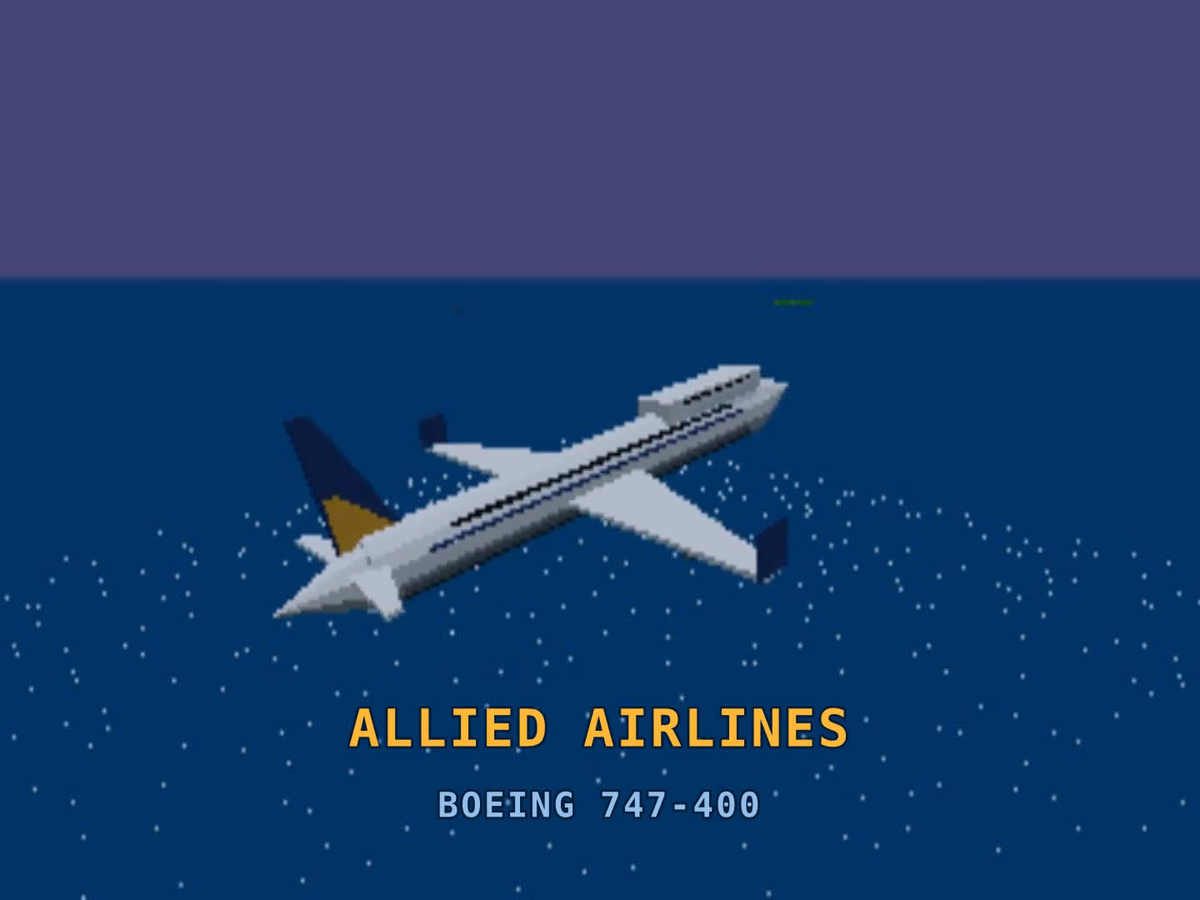
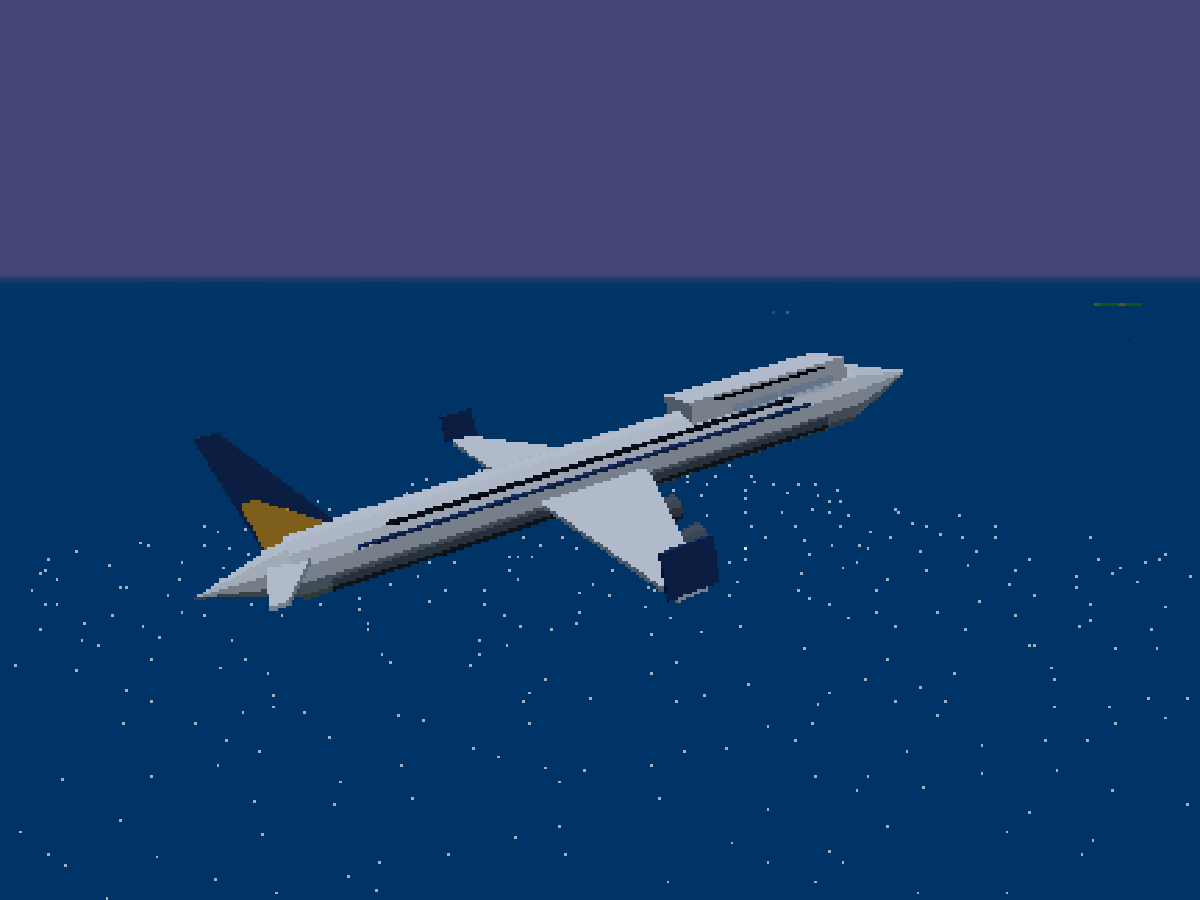
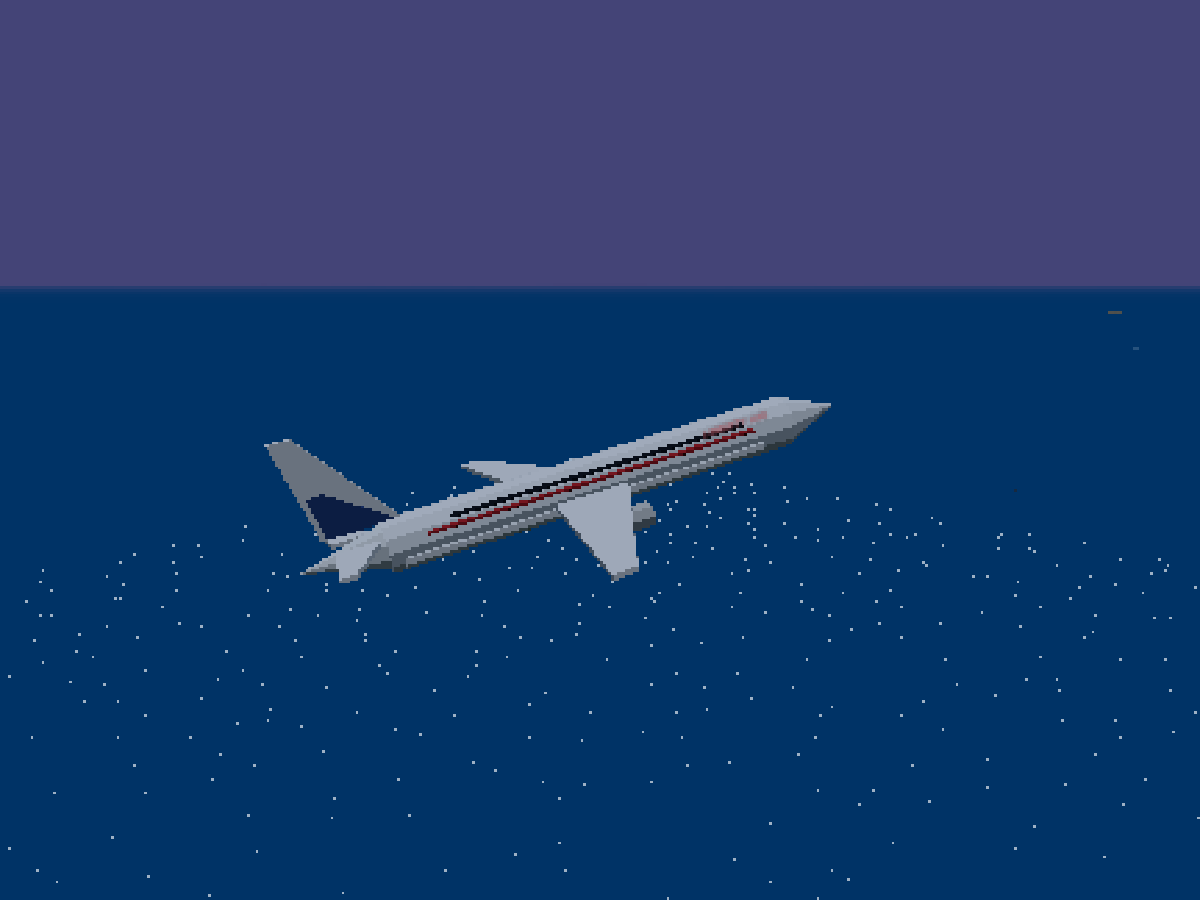
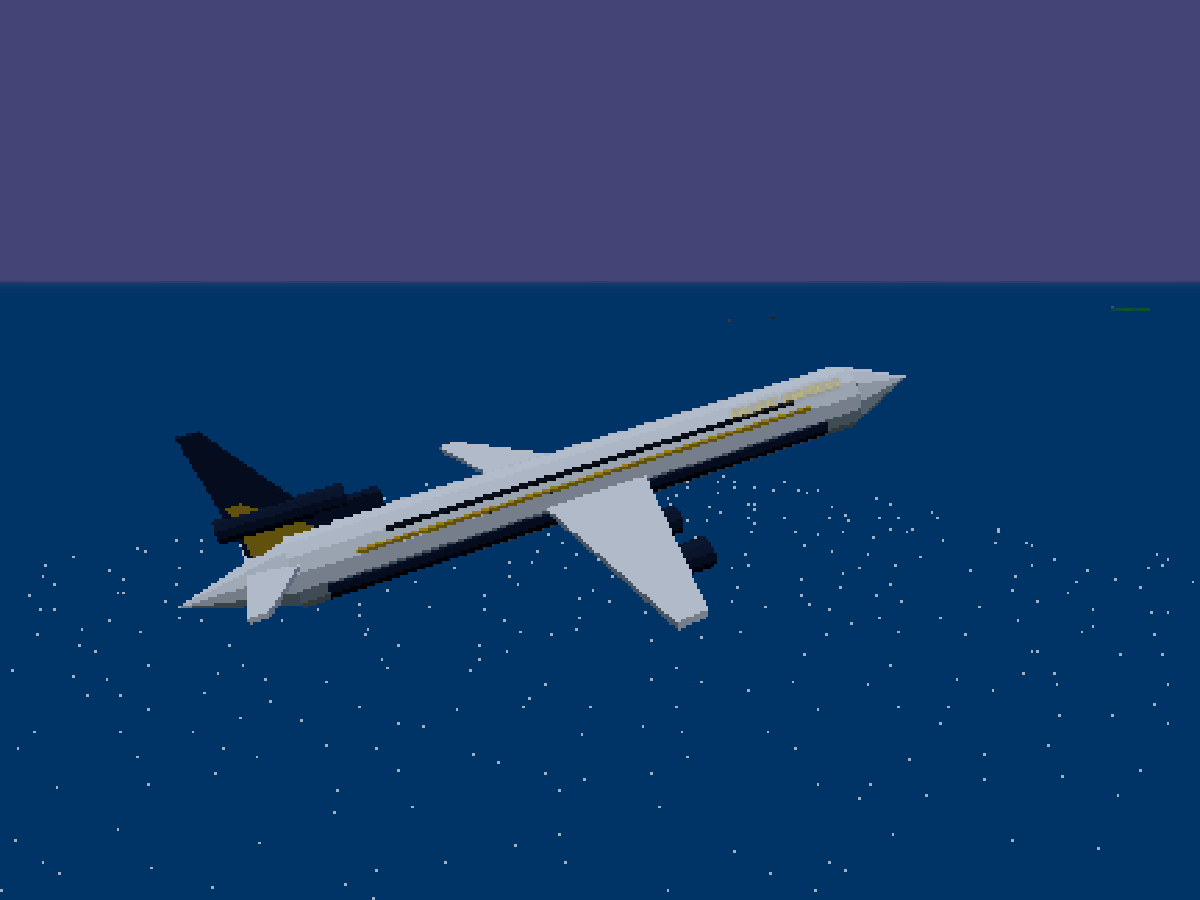
The fleet profiles deserved more than stills. The new MEET THE FLEET video puts the camera in a slow 360° orbit around every airliner in the Bay — all sides of the ALLIED 747-400, the LIBERTY AIR 737-400, the PACIFIC EMPRESS DC-10 and the CASCADE AIR MD-90, wheels up over open water. Each orbit opens with a hold on the hero angle while the airline’s name and aircraft type fade in, then swings all the way around the airframe.
The whole thing flies to the Hornet Bay anthem, opening with a genuine in-game flyby whoosh. It ships in two cuts: a 47-second widescreen cut for the Hornet Bay YouTube channel, and a vertical Shorts cut with the specs riding under every aircraft. The four fleet profiles — ALLIED, LIBERTY, PACIFIC EMPRESS, CASCADE — have the full specifications.
The flag carrier of the Bay. ALLIED’s 747-400s run the trans-Pacific trunk — Tokyo, Hong Kong, Sydney — every departure threading the Golden Gate on climb-out, every arrival letting down over the East Bay for SFO’s 28s. 388 souls aboard, four big fans at a rumble you can feel from your own cockpit. Navy pilots know her as the big friendly on the scope: ALLIED 412 HEAVY and her sisters, squawking their way in at all hours, in all weather.
THE AIRCRAFT — Boeing 747-400 · length 231 ft 10 in · wingspan 211 ft 5 in · four engines (PW4000 / CF6 / RB211 family, about 63,000 lb of thrust apiece) · cruise Mach 0.85 · range 7,285 nautical miles · 416 seats in a typical three-class cabin · first flight 29 April 1988 — a contemporary of a certain Amiga simulator — in airline service since 1989.
Where to meet her: heavy departures off SFO climbing through 4,000 over the ocean, or arrivals on long finals to the 28s. Intercept her, formate on the wing, count the windows — then check your fire, because the court martial is quick and the debrief is unforgiving.
The shuttle. LIBERTY AIR’s polished-silver 737-400s with the red cheatline run the coast milk route — Los Angeles, San Diego, Seattle and back — a rotation every hour, 146 souls a hop. If ALLIED is the flag carrier, LIBERTY is the bus service: always in the pattern, always on time, and always exactly in your way when you’re boresighting a bogey over the Bay.
THE AIRCRAFT — Boeing 737-400 · length 119 ft 7 in · wingspan 94 ft 9 in · two CFM56-3 turbofans · cruise Mach 0.74 · range about 2,060 nautical miles · 146–168 seats · first flight 19 February 1988, in service the same year — the stretch that kept the classic 737 line relevant into the nineties.
Where to meet her: low and slow over the Peninsula, gear down and flaps out on a long straight-in. The easiest intercept in the Bay — and the most expensive mistake if you get trigger-happy.
The old glamour line. Pacific Empress still flies the DC-10 the way it was meant to be flown — white gloves, gold cheatline, and three CF6s trailing that unmistakable trijet howl across the Pacific. 268 souls in the back. And one of them, one night not so long ago, was a man half the intelligence services of the Pacific Rim were looking for.
THE AIRCRAFT — McDonnell Douglas DC-10 · length 182 ft · wingspan 165 ft 4 in · three CF6 engines, the third buried in the tail and breathing through the S-duct above the fuselage · cruise Mach 0.82 · range about 5,200 nautical miles · seats 270 and up · first flight 29 August 1970 — the trijet era made flesh.
Where to meet her: Mission 7. When the call comes that an Empress heavy is inbound with a defector aboard, every bandit in the Bay will try to keep him from talking. Get there first, run the escort, and put the old trijet on the ground in one piece. The rest of the week she flies the line like any other transport — treat her accordingly.
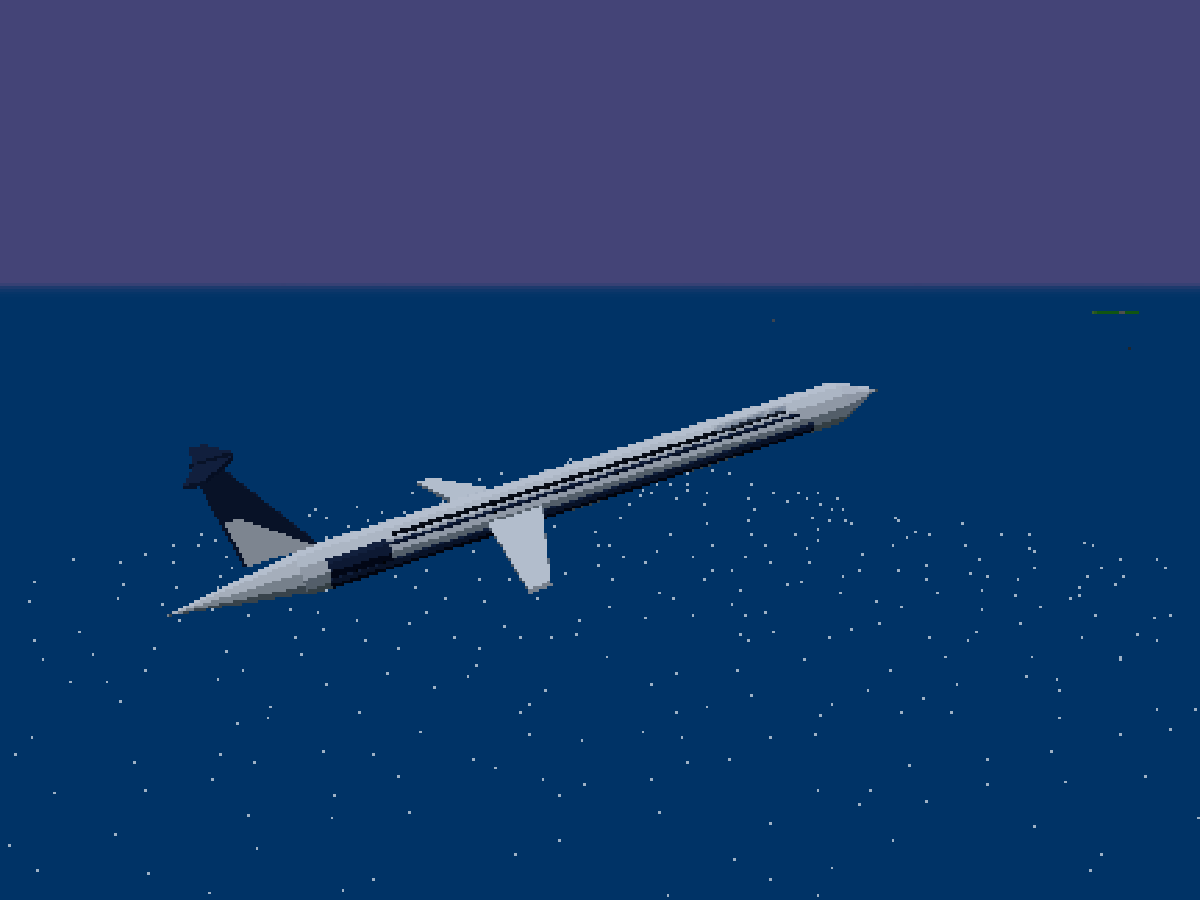
Down from the Northwest. CASCADE AIR feeds SFO from Seattle, Portland and points north, and it does it with the quietest Mad Dog ever built: the MD-90, with its T-tail and rear-mounted V2500s whispering in over the hills where the older jets roar. 158 souls aboard. Spot her by the long fuselage, the high tail, and engines exactly where the tail ought to be.
THE AIRCRAFT — McDonnell Douglas MD-90 · length 152 ft 7 in · wingspan 107 ft 10 in · two IAE V2500s — the first airliner ever certified with them · cruise Mach 0.76 · range about 2,085 nautical miles · 153–172 seats · first flight 22 February 1993: the last and quietest of a line stretching straight back to the DC-9.
Where to meet her: descending out of the north on the arrival flow, all day, every day. Formate, wave at the cockpit, remember the souls aboard — and let her land.